
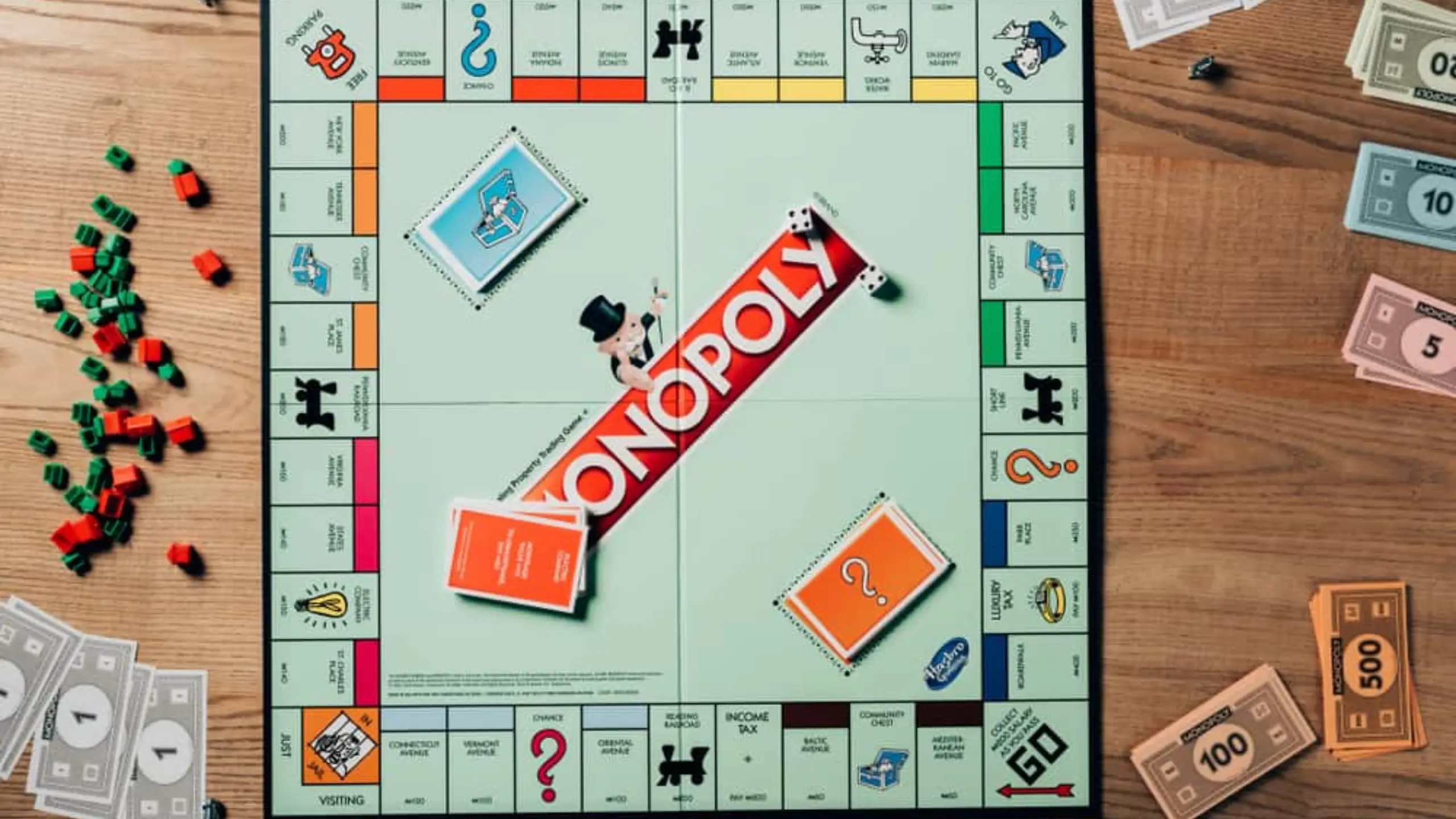
Monopoly is a classic board game that has entertained families and friends for decades. As you gather around the table to embark on a thrilling journey of property acquisition and strategic gameplay, one question often arises: how much money do you start with in Monopoly? This article will delve into how much money do you start with in Monopoly, exploring the standard rules, variations across different editions, strategic considerations, adjustments for game lengths, customization through house rules, and more. So grab your top hat, iron, or thimble, and let’s dive into the fascinating realm of Monopoly finances.
I. Introduction
Monopoly is a renowned board game that simulates the ups and downs of real estate investment and business dealings. As players navigate the game board, they buy properties, collect rent, build houses and hotels, and compete to bankrupt their opponents. However, before the real estate empire-building begins, players are tasked with deciding how much money to start with.
II. Standard Rules and Starting Money
In the standard edition of Monopoly, players start with a set amount of money, typically consisting of high-value notes (e.g., £500) and lower-value letters (e.g., £100). The most common cash in Monopoly is £1,500 or $1,500. This initial capital is essential for your journey to financial dominance on the game board.
III. Starting Money in Different Monopoly Editions
While the standard rules establish a starting sum of £1,500 or $1,500, it’s worth noting that Monopoly has seen numerous editions and variations over the years. Some special editions, collector’s, or themed game versions may feature different starting money amounts. For instance, a themed Monopoly edition based on a specific city or franchise might incorporate a unique starting money value to align with the theme.
Additionally, international editions of Monopoly often adjust the starting money based on the local currency. This adaptation ensures that players can relate to the game more closely using familiar denominations. So, the starting cash will be adjusted accordingly, whether you’re playing the classic British version in pounds sterling or the American edition in US dollars.
IV. Strategic Considerations
While the starting money may seem like a straightforward aspect of the game, it plays a pivotal role in setting the pace and strategy for the gameplay. With limited funds in hand,
players must make strategic decisions on allocating and utilizing their starting money effectively. One standard system is to balance property investments with retaining enough cash for essential expenses like rent and utilities. It’s vital to assess the risks and rewards of each property purchase, considering factors such as location, rental potential, and the likelihood of opponents landing on those properties.
Moreover, starting money can influence the early dynamics of the game. Players with more substantial starting funds might have an advantage in acquiring desirable properties and gaining an early lead. However, those with less starting money can adopt a more cautious approach, focusing on developing cheaper properties, forming alliances, or strategically negotiating trades to level the playing field.
Understanding the importance of starting money lets players plan their financial strategies wisely. Careful budgeting, prudent property investments, and strategic negotiation can significantly impact one’s chances of success in the game.
V. Adjusting Starting Money for Different Game Lengths
Monopoly can be time-consuming, especially in longer game sessions where accumulating wealth and bankrupting opponents can take several hours. However, if you’re looking for a shorter and faster-paced game, you can make adjustments to the starting money. For instance, you may reduce the capital by a certain percentage or set a predetermined time limit for the game, requiring players to make bolder and quicker decisions.
On the other hand, if you have the luxury of time and desire a more immersive experience, you can increase the starting money or introduce additional financial resources. This variation allows for more extensive property acquisition, higher-stake negotiations, and a longer, more strategic gameplay experience.
VI. Customizing Starting Money for House Rules
monopoly’s flexibility allows for creativity, variety, and personalization. House rules allow for creativity and a variety type personalized gameplay experiences. When starting money, players can experiment with different approaches based on their desired level of challenge or game dynamics.
For example, players might agree to implement a “Random Starting Money” rule, where each player receives a different starting sum determined by drawing from a deck of cards or rolling dice. This rule introduces an element of unpredictability and can level the playing field by redistributing wealth unevenly among players.
Another popular house rule regarding starting money is the “Unequal Starting Money” rule. Where players start with different amounts of money based on a predetermined ranking or auction system, this variation adds a strategic element to the game, as players must strategize and bid for their desired starting funds.
VII. Conclusion
The starting money in Monopoly plays a significant role in shaping players’ gameplay and strategic decisions. While the standard rules establish a starting sum of £1,500 or $1,500, variations can occur in different editions and international versions to accommodate local currencies and themes. Understanding the importance of starting money allows players to plan their strategies effectively, balancing property acquisitions with essential expenses. Adjustingcreatingg money for different game lengths or customizing it through house rules offers further flexibility and personalization. As you embark on your Monopoly journey, remember that starting cash is just the beginning, and wise financial decisions and strategic gameplay will ultimately determine your success.